During my time in Art108, I have found the theory behind game development to be very interesting. There is a lot more to game development than i initially thought. All the actual game development we did, both physical and digital, allowed us all to experience the process first hand and make design choices on our own. We did indeed “read about games, write about games, play games and design games”. Thank You James for a fun and enriching class experience. It was very fun.
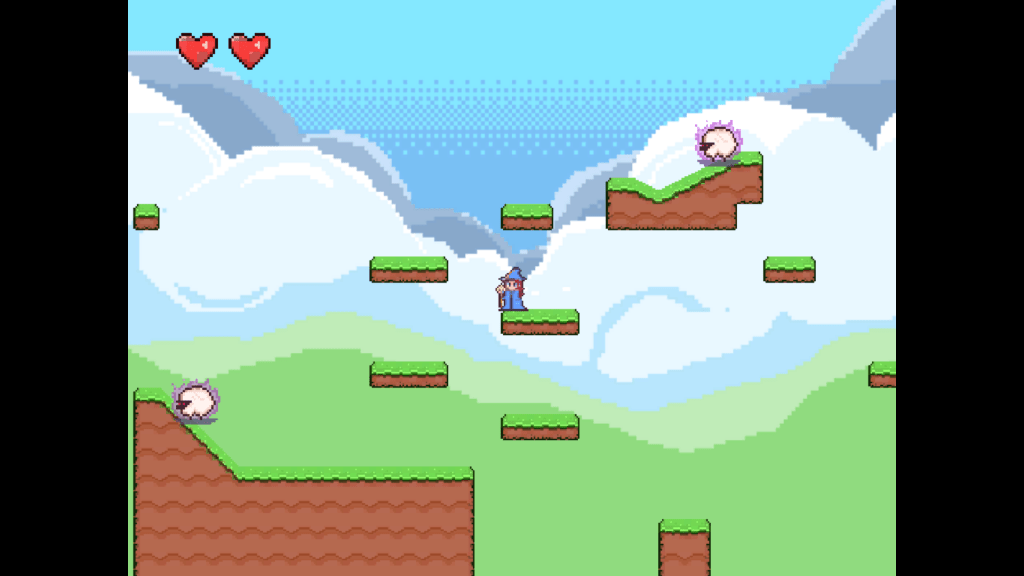
Song of Legends is meant to be an anthology documenting the beginning of the greatest heroes of legends. The first installment, Iona’s Tale, follows a young mage named, Iona, as she saves her village from the Cult of Éternité who hope to cure the world by summoning the original god of chaos, Vurild. As a result of the ritual summoning, the land is morphing and the creatures that live there are being corrupted by the evil magic. Iona must defend herself from the corrupted creatures and stop the summoning, lest the world be plunged into chaos.
In this game, the player controls Iona. Moving left to right with the WASD keys, jumping with the SPACE bar, and shooting fireballs with the M key. The goal is to reach the end of the level while powering up by collecting scrolls and defeating the cultists that get corrupted to stop the ritual.
As of now, 2 of 3 levels are currently in a playable condition with the third being planned to be finished by the presentation. In addition to art assets, a majority of the logic code has been developed and even custom music is being developed for each level. We hope to finish the game by the presentation and have a fun and playable game for everyone to enjoy.
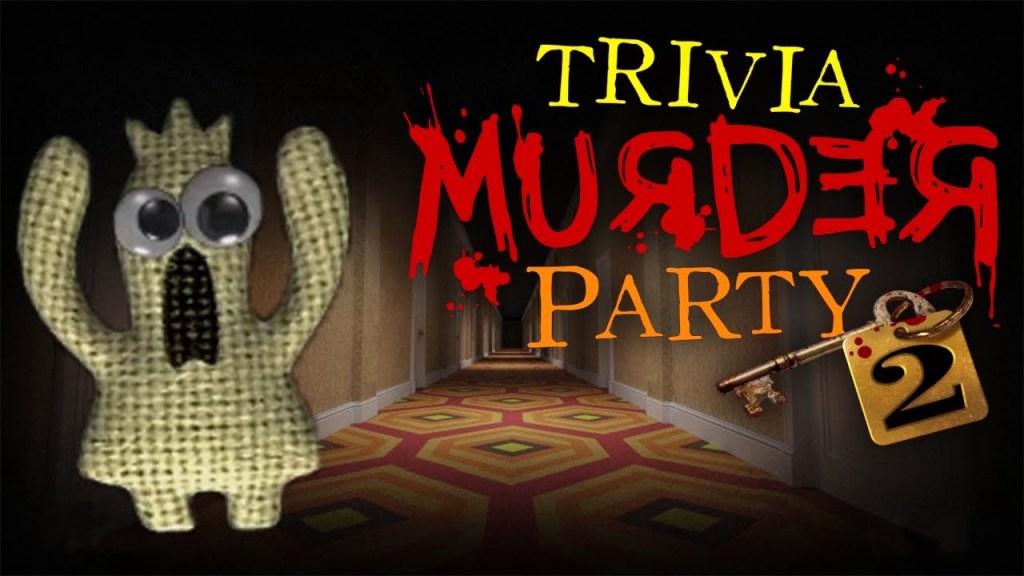
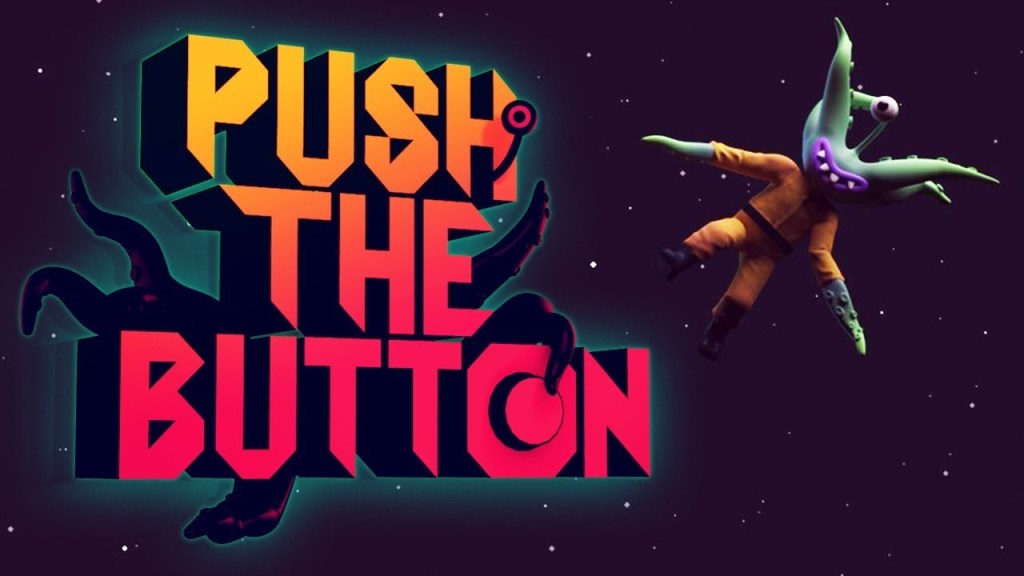
Jackbox games are a series of games that exist on all digital platforms where each installment consists of at least 4 different many multiplayer party games. In out sessions we played Trivia murder party 2, bracketeering, and push the button. Each game has its own set of rules and mechanics but a shared mechanics of all the games is the use of phones to interact with the game as well as social interaction and .
Trivia murder party 2 is a game where 8 players plus an audience are put into a old, decrepit mansion where they are forced to answer trivia questions or be turned into a ghost. The game works in 2 phases. In the first phase, the players answer trivia questions on their phones. Players who get the answer right receive money, which is the games form of score, and are safe from being killed off. The players who get the question wrong are taken to a mini game in which the players must try to be the best of the remaining players as to bot be turned into a ghost. Mini-games consist of rolling dice, guessing answers, drawing images and more that are all done on the phone. the player who answered right are asked to help obstruct player in the mini games and make it harder for them to succeed. During this phase the audience is also earning a score based on the percentage of the members answering correct. They do not participate in the mini games. Phase 2 is activated when there is only 1 living player left or a certain number of trivia questions are answered, which is determined randomly. In this phase, the players are racing to see who can escape the mansion first while avoiding the falling floor. To do this, players are given a multiple choice question and how many answers they pic correctly determine how far they move. Alive players are given 2 choices while ghosts are given 3. first to escape wins. The audience doesnt effect this game all too much other than adding in one more opponent the players have to think about.
Bracketeering is a game where 16 players and an audience give an answer to a prompt and predict which answer is the best in each bracket. This game consists of 2 rounds where a prompt is given to each player to submit an answer. When all answers are submitted, each player is then asked to vote on the answer they believe will move to the next bracket. The brackets are then revealed and, using their phones, everyone (which includes the audience) votes on the answer they like the most. Who ever predicted the answer the moves forward receives point. In the event of a tie, everyone is asked to vote again on the two tied choices and if it ties one more time they must show support by tapping on the choice they want. This continues until an answer moves on to the end of the brackets. The person who submitted the answer gets a bonus to their score. The second round flows more in the same way except the prompt is changed for every bracket. This game has more of the discussion and social aspect where people in the room can change the choices of other players. The audience participates by voting and discussing options, their choices help bolster point values.
Push the button is a trust and deception game where a handful of players work to figure out which of them is a traitor. Players are split into humans and aliens and are given 15 mins to eject the aliens from the ship. Humans must use a series of tests to discover who the aliens are, while the aliens have to try and deceive the humans. This game is mostly discussion and talking, inferring and trickery. There is no audience in a mechanic sense but people watching can still comment and participate on the discussion of the game
As of this moment some game components, like collectibles and the level 1 boss fight are still missing. Once the game starts you uses the WASD keys to move the player, space key to jump, and the M key to shoot fireballs. As of now the game is far from finished, though it is at a point that makes it easier to expand. I plan to work with my team to expand the game to 3 levels and add a leveling up system.
The creating of “Song of Legend” (SoL) started with a meeting between me, the programmer, and Sabrina, the artist, about the style of game and art we were planning on developing. We quickly decided upon a 2D platformer in a cute fantasy style and over time developed a story/feel we wanted the game to have. once that was decided i came up with a list of assets what would be necessary for one level and had our artist begin working on designing them. In addition the artist was tasked with looking for possible sound effects and music for us to use. I then began to develop the layout of the level and write out a list of codes i would need to program for the game to work. I drew on index cards the layout of the game, carefully choosing what assets would go where and reaching out to my partner to see if they had anything to say. I then made sure to code things in a modular manner to allow for quick customization and reuse and developed prefab models to make the recurring assets easier to put into the world. We then finished up the first level up to the boss fight and had the Alpha tested. The most common concern players had was with the lack of music as well as a few things you could do with the enemy that might make the game a lot easier. The lack of animation was also commented on a lot as well as the difficulty of the level, in which it got easier as the level went on not harder as i intended. I plan to fix the layout and add animation, music, and more interesting level design to allow for a more enjoyable game. I also plan to add the boss fight in and add 2 more levels to the finished game. I hope everyone who plays my game has a fun and enjoyable time.
War of ages is a 2 player strategy card game where each player is the commander of an army going to war. Each turn both players simultaneously plan out their turns by placing the actions they wish to take in the order they wish. They then alternate performing each action until all actions are finished. Finally they go to war, where each players champion/unit moves forward trying to reach the opposing end while fighting the opponents champion/units. The first to capture 3 lanes wins!
Playlog:
Game 1:
The initial game sessions used a full 2 deck of cards and a board with more spaces and a math based purchasing system. When the game was finished i realized that there were too many strong cards and to many spaces for war.
Game 2:
The Second game session I proceeded to reduce the game board and added a fixed value to the cards so that purchasing would be more efficient. The game played as planned but it still was too long and the balance of cards became unfair too quickly.
Game 3-9:
The next few game sessions we continued to work on balance of the cards, continuing to add, remove and rework the card stats so that every consecutive game became more of a game of skill then a game of luck and allowed players to have more control of the game play and not feel railroaded after bad decisions.
Game 10:
The Final Game during class revealed that the game was difficult to understand for people who have never played the type games before. I need to add a way to help the players understand the rules easier so that the game cane be played quicked without much hassle
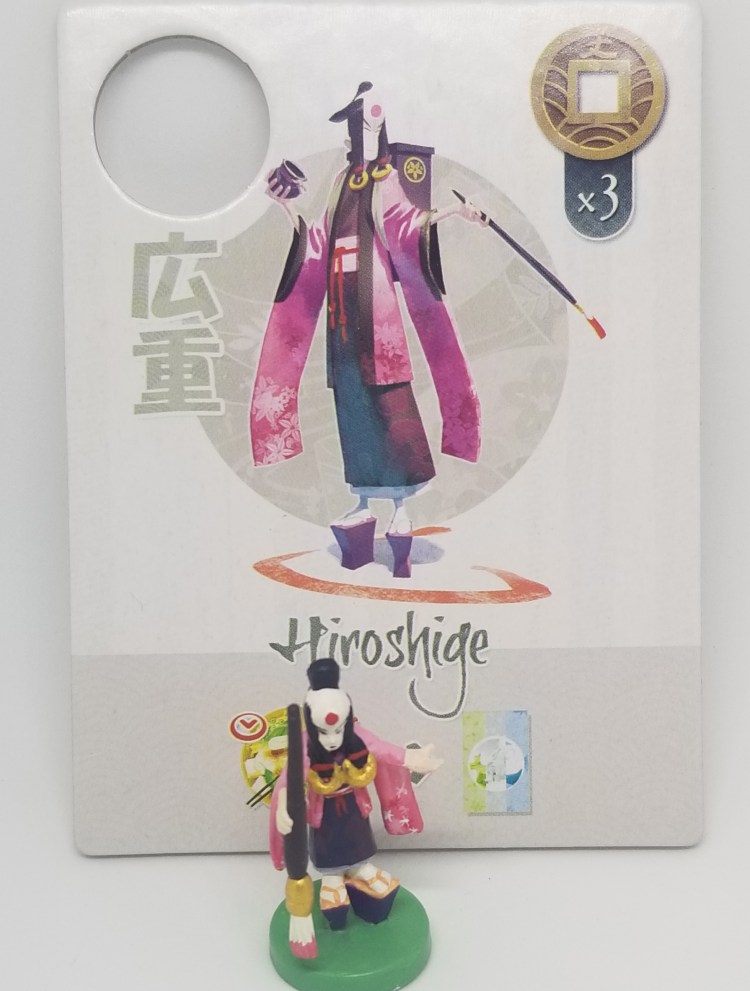
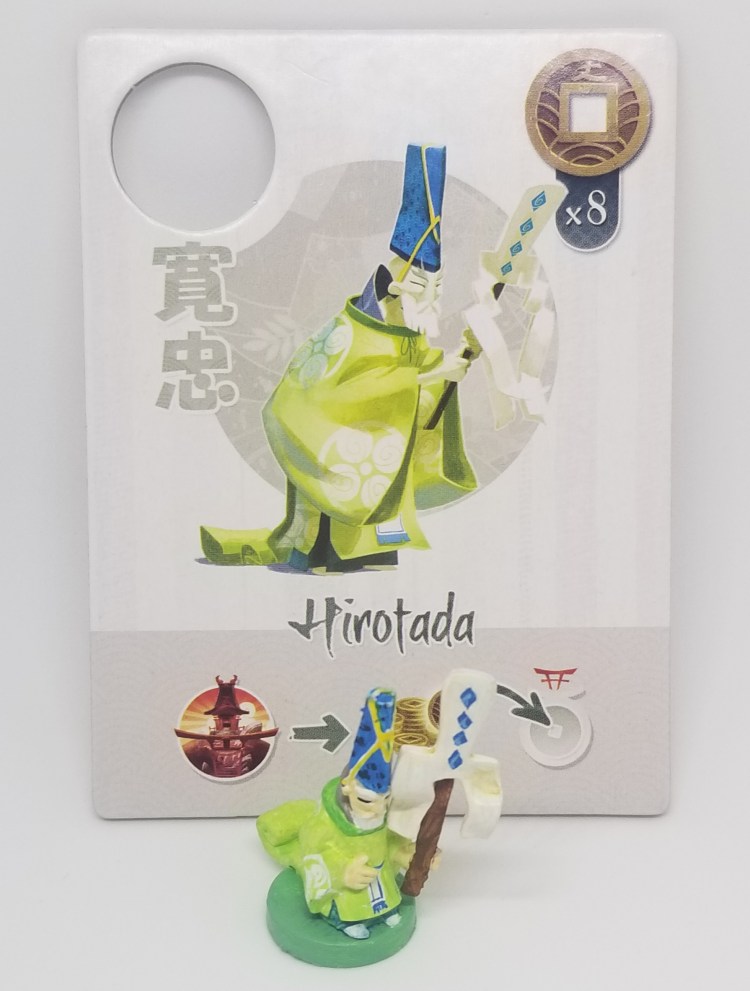
Players: Jason Chong as the Painter Hiroshige, Pranika Bedi as the Dancer Umegae, Kaitlin Kirkman as the Priest Hirotada, and Colin Kyle as the Samurai Kinko
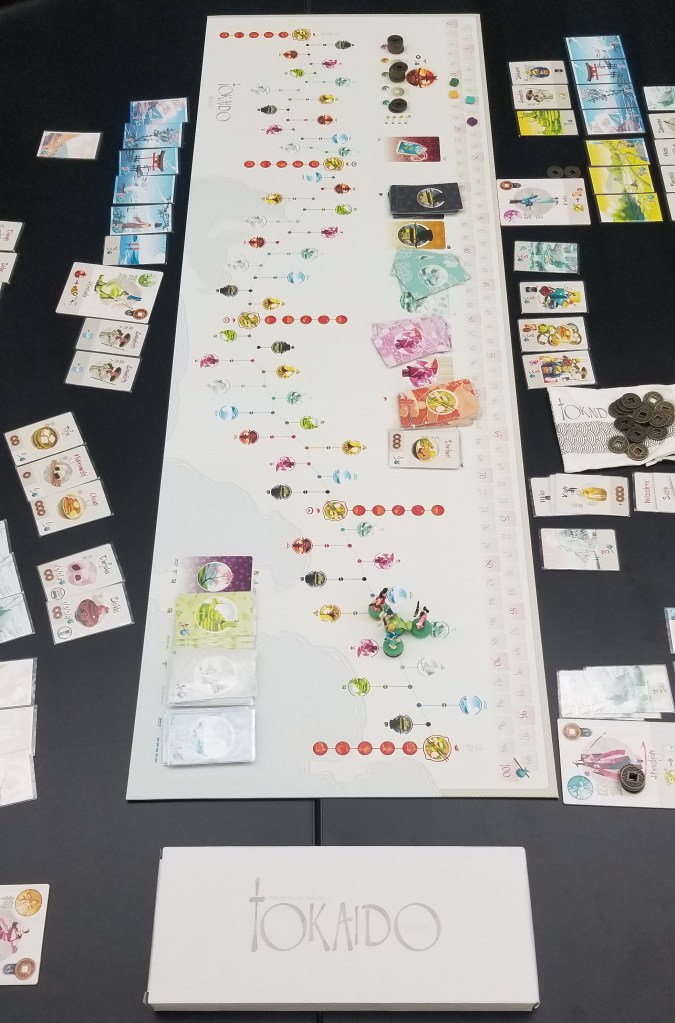
Tokaido is a game of cultural experience sometimes called the “Japanese Vacation” game. Played in 4 days, each punctuated by an “inn”, Tokaido represents the pilgrimage that people took from Kyoto, the spiritual capital of Japan, to Edo, known now as Tokyo which was the political capital.
The following Session Report begins as we begin the forth and final day
Pranika (P) moves first and goes to the Hot Spring space drawing a 3 point card.
Jason (J) moves to the companion space, drawing a card granting him 3 coins.
Collin (C) moves to the shrine space and donates 3 coins, earning 3 points.
Kaitlin (K) goes to the second shrine space where the bank donates 1 coin earning her 1 point.
P then goes to the farm space and receives 3 coins.
K moves to the ocean painting space, finishing the ocean painting and earning 5 points. By being the first to finish the ocean painting she receives the achievement and gains 3 more points.
C goes to the shop and purchases 2 items earning 5 points.
J goes to the shop and purchases 1 item earning 5 points. He then goes again, being last in line still, and goes to the farm and recives 3 coins.
C goes to the friend space, draws a card and receives a free item from the shop earning him 5 points.
K moves to the hot spring space and draws a card to earn 2 points.
J moves to the hot spring space and draws a card to earn 3 points.
P goes to the mountain space and finishes her mountain painting for 4 points.
J goes to the grasslands and paints for 2 points.
K goes to the grassland and paints for 1 point.
C goes to the ocean and finishes his ocean painting for 5 points.
K becomes first in the inn and draws 5 cards for the menu but cannot afford to buy anything.
P is second in the inn and buys a meal from the menu of 5 cards for 2 coins earning 6 points
C is third in the inn and buys a meal from the remaining 4 cards paying 1 coin and earning 6 points.
J is last to the inn and buys a mean from the last 3 cards, paying 3 coins for 6 points
Achievements are awarded and Colin wins. Followed by Jason, Pranika, and Kaitlin.



 Introduction to Game Studies